Coworking vs traditional office?
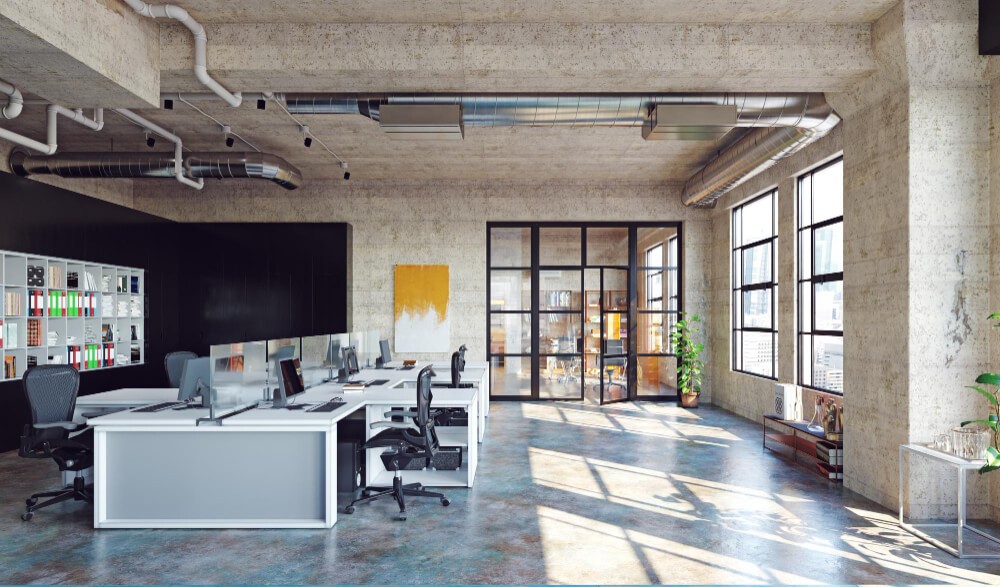

Choosing the right workspace impacts not just your expenses, but also comfort, productivity, and the overall work culture of your team. The decision often comes down to two paths — the flexibility and community of coworking spaces, or the privacy and consistency of a traditional office. Each offers distinct advantages, so understanding your needs and goals is key before making a choice.
Costs and Financial Considerations
Coworking stands out for its simplicity and cost efficiency. A single monthly fee usually includes utilities, high-speed internet, furniture, reception services, and access to shared amenities such as meeting rooms and relaxation zones. This all-in-one model removes the need for long-term leases or extra maintenance costs, reducing financial risk.
In contrast, traditional offices often come with separate and sometimes unpredictable expenses — electricity, cleaning, equipment, renovations, and even property management fees. While they can offer more control over your space, they usually require a higher upfront investment.
Flexibility and Accessibility
Flexibility is at the core of coworking. Most coworking spaces are accessible 24/7, allowing professionals to work when it suits them best — perfect for freelancers, startups, and teams spread across different time zones.
Traditional offices, on the other hand, typically have set operating hours and require longer lease commitments. They offer consistency but can limit adaptability, especially for fast-growing businesses or teams that need variable space.
Networking and Community
One of the strongest advantages of coworking is the community. These environments bring together people from various industries, encouraging collaboration and connection. Networking events, workshops, and shared spaces naturally lead to new opportunities and partnerships.
A traditional office fosters deep collaboration within a single organization but tends to limit exposure to external perspectives. While it strengthens internal culture, it doesn’t offer the same diversity of interactions as coworking.
Amenities and Work Setup
Coworking spaces are designed for immediate use — furnished offices, ergonomic desks, high-speed internet, meeting rooms, and unlimited coffee are all part of the package. Everything is managed for you, allowing teams to focus entirely on their work.
With traditional offices, setup and maintenance fall under the company’s responsibility. While this gives full control over the layout and design, it also requires additional time, resources, and operational effort.
Atmosphere and Work Culture
Coworking spaces thrive on energy and creativity. The open, collaborative atmosphere encourages innovation, idea-sharing, and a sense of belonging to a wider professional network.
Traditional offices, in contrast, provide a more private and stable environment. They are well-suited for teams that value focus, confidentiality, and long-term organizational structure.
Summary
The right choice depends on what matters most to you and your business:
Choose coworking if you value flexibility, community, and lower upfront costs. It’s perfect for growing teams, freelancers, and dynamic companies.
Choose a traditional office if you prioritize privacy, stability, and full control over your workspace design.
Both models can be effective when aligned with your goals — the key is creating a space that supports your workflow, culture, and vision for success.